Event Business Planner: A Comprehensive Guide to Organization and Efficiency
The world of event planning is as dynamic as it is demanding. Whether you're managing a small wedding, organizing a corporate conference, or running a recurring community event, having the right tools can make all the difference. One such tool that has gained traction among professionals and entrepreneurs is the Event Business Planner. This resource offers a structured approach to managing every aspect of your event business, from budgeting to client communication. But how does it stack up against other options? Let's explore what makes the Event Business Planner unique, its strengths, limitations, and when it might be the best choice for your needs.
What Is an Event Business Planner?
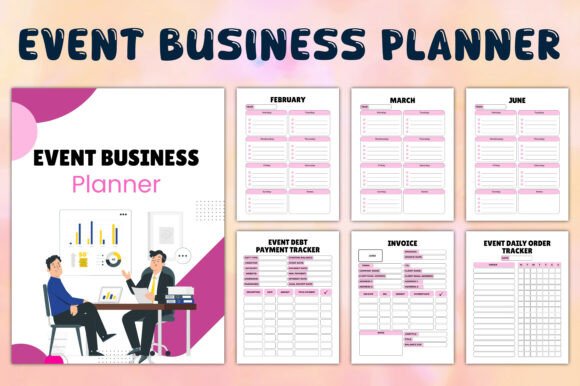
An Event Business Planner is more than just a calendar or a checklist—it’s a comprehensive toolkit designed to streamline the entire event planning process. It typically includes templates for budgets, contracts, order forms, daily planners, and more. The goal is to provide users with a one-stop solution that covers all the essential components of running a successful event business.
One of the standout features of the Event Business Planner is its customization. Unlike generic templates, this planner allows users to tailor each section to their specific needs. From tracking client contacts to managing debt payments and invoices, the planner offers a level of flexibility that many other resources lack.
Why Choose the Event Business Planner Over Other Options?
While there are numerous event planning tools available, the Event Business Planner distinguishes itself through its depth and practicality. Here are some key reasons why it may be the right choice for your business:
- Comprehensive Coverage: The planner includes over 100 customizable files, covering everything from daily and monthly planners to annual overviews and contact lists. This ensures that no detail is overlooked.
- Print-Ready Files: All templates come in high-quality PDF, JPG, and PNG formats, making them ideal for both digital and physical use. The 8.5 x 11 inch size with 300 DPI resolution ensures clarity and professionalism.
- Editable Canva Templates: For those who prefer a more visual approach, the included Canva link provides access to editable templates that can be customized directly in the platform.
- Time-Saving: By providing ready-to-use templates, the Event Business Planner saves users valuable time that can be redirected toward growing their business.
- Cost-Effective: Purchasing a single planner with multiple templates can be more cost-effective than buying individual tools or hiring a designer.
When Is the Event Business Planner the Right Choice?
The Event Business Planner is particularly well-suited for individuals and small businesses that manage multiple events on a regular basis. If you're frequently juggling different projects—whether it's weddings, conferences, or trade shows—the planner’s organized structure can help you stay on top of everything without getting overwhelmed.
For example, a wedding planner who hosts several events per year can use the Event Daily Order Tracker and Event Weekly Planner to maintain consistency across all bookings. Similarly, a corporate event organizer can benefit from the Event Annual Overview and Debt Payment Tracker to manage long-term commitments and financial obligations.
However, the planner may not be the ideal choice for someone who only organizes occasional events. In such cases, a simpler, more streamlined tool might be more appropriate. That said, even part-time planners can find value in the planner’s versatility and adaptability.
Comparing the Event Business Planner With Alternatives
There are several alternatives to the Event Business Planner, each with its own set of features and benefits. When evaluating these options, it’s important to consider factors like customization, ease of use, and integration with other tools.
Some popular alternatives include:
- Event Management Software: Platforms like Eventbrite or Cvent offer digital solutions for managing events, but they often lack the same level of customization as the Event Business Planner.
- Spreadsheets: While spreadsheets can be used to create personalized planners, they require more technical skill and time to set up compared to pre-designed templates.
- Online Planning Tools: There are numerous online tools that offer templates for event planning, but they often come with subscription fees and limited support.
The Event Business Planner stands out by offering a balance between customization and ease of use. It doesn’t require advanced technical skills, yet it provides enough flexibility to meet the needs of a wide range of users.
Limitations and Tradeoffs
No tool is perfect, and the Event Business Planner is no exception. One potential limitation is that it requires some initial setup. While the templates are customizable, users may need to spend time adjusting them to fit their specific workflows.
Additionally, while the planner offers print-ready files, it may not integrate seamlessly with digital project management tools. For those who rely heavily on cloud-based platforms, this could be a drawback.
Another consideration is the learning curve. Although the planner is user-friendly, it takes time to become familiar with all the features and how they can be applied to different types of events. However, the investment in learning is often worth it given the long-term benefits.
Practical Use Cases
To better understand how the Event Business Planner can be applied, let’s look at a few real-world scenarios:
Case Study 1: Wedding Planner
A wedding planner who hosts 10 events per year can use the Event Daily Order Tracker to keep track of client requests and the Event Weekly Planner to schedule tasks. The Event Contact List helps maintain communication with vendors and clients, ensuring nothing is overlooked.
Case Study 2: Corporate Events Coordinator
A coordinator responsible for organizing quarterly conferences can benefit from the Event Annual Overview to plan long-term strategies and the Event Bill Tracker to manage expenses. The Event Purchase Tracker ensures that all necessary supplies are ordered in a timely manner.
Case Study 3: Community Event Organizer
For someone organizing local festivals or charity events, the Event To Do List and Event Debt Payment Tracker can help manage both short-term and long-term financial obligations. The printable PDF format is especially useful for distributing information to volunteers and sponsors.
Conclusion
The Event Business Planner is a versatile and practical resource for anyone involved in event planning. Its customizable templates, print-ready files, and user-friendly design make it an excellent choice for both beginners and experienced professionals. While it may not be the perfect fit for every situation, it offers a balanced approach that can significantly enhance efficiency and organization.
Ultimately, the decision to use the Event Business Planner depends on your specific needs, workflow, and goals. By carefully evaluating the features and limitations, you can determine whether this tool is the right fit for your event business.